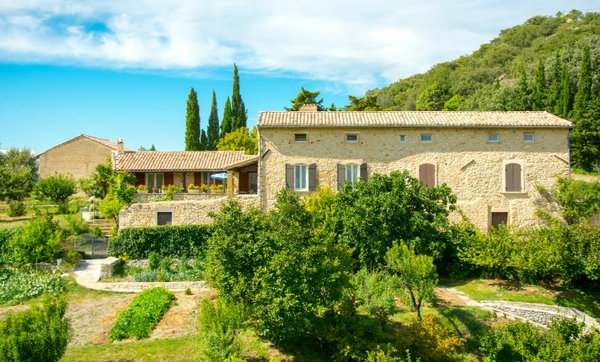
A "burnt" property is a house or apartment that has stayed online too long at too high a price, and that buyers end up associating with a hidden problem. In France, a home listed at the right price sells in 60 to 90 days on average, whereas overpricing by just 10% can extend that time by almost two months. Beyond that point, each successive price cut sends a negative signal to buyers, who negotiate even harder or simply walk away. The good news is that this phenomenon can almost always be avoided by setting the right price from the very first day the property goes on the market.
In summary
- A "burnt" property is a home that has been listed for too long, often at a price that was overvalued from the start, which drives serious buyers away.
- The first three to four weeks online account for most of buyers' interest: this is when everything is decided.
- Overpricing by 10% can extend the time to sell by almost two months and lead to price cuts that damage the listing's credibility.
- Having your property valued by a local professional from the outset remains the best protection against the "burnt" effect.
Why a property ends up getting "burnt" on the market
The term may raise a smile, but every agent in the field knows what it means. A burnt property is a listing that everyone has seen again and again, and that starts to get talked about in the neighbourhood or in local Facebook groups. "Oh, that one? It's been for sale for six months, there must be a problem." That is exactly the kind of remark you want to avoid at all costs.
How burning happens, step by step
It usually begins with an overly optimistic starting price. The seller attaches sentimental value to the home, or has heard that the neighbour sold for a certain amount, and adds a margin "in case we negotiate". The result: the property remains invisible to buyers who compare property listings in the same area, because it simply falls outside the coherent price range relative to the other property listings in the area. The weeks go by, viewings become rarer, and the seller ends up lowering the price. Once. Then a second time. Instead of reviving interest, each cut confirms to buyers that they were right to wait.
What buyers see (and what they never say)
A buyer who has been actively searching for several weeks knows the market better than you might think. They spot the listings that keep coming back, those whose publication date slips further back from one month to the next, those whose price has been changed three times. Even without an unfavourable DPE (energy performance diagnostic), even without any visible flaw in the photos, that property becomes suspect. People tell themselves there must be a hidden reason: noisy neighbours, a hidden defect, a complicated inheritance. Mistrust sets in, and with it, offers lower than what the property truly deserves.
The expert's view
"I've seen too many beautiful houses lose 15,000, sometimes 20,000 euros of perceived value simply because the seller started too high out of pride or excessive caution, and I always tell my clients the same thing with the same image: a listing is like a fish on a market stall, the longer it sits there, the less appealing it becomes, even if it is perfectly fresh; today's buyers are extremely well informed, they spend hours on their phones comparing, noting publication dates, spotting successive price cuts, and as soon as they sense that a property is starting to "linger", they switch into aggressive negotiator mode or they simply skip the listing to go and look at the next one; my conviction, forged over years in the field, is that it is better to announce a fair and somewhat firm price from the first day, even if it means slightly disappointing the seller about the amount they had in mind, rather than starting too high and having to correct course three months later in front of a market that has already drawn its conclusions about the property."
The first weeks: the window that decides everything
If I had to give just one piece of advice to a seller in a hurry to read this article to the end, it would be this: take care of your first three or four weeks on the market as if your life depended on it. This is the period that brings the vast majority of qualified viewings, calls from agents and serious applicants.
A novelty effect that only lasts so long
Real estate platforms highlight recent listings. Active buyers receive alerts as soon as a new property matching their criteria appears. This peak in visibility is never repeated in the same way afterwards: once the novelty has worn off, the property must rely solely on its price and its intrinsic quality to keep attracting interest. This is why the launch price must be calibrated as accurately as possible, and not thought of as a starting point to be adjusted "if it doesn't work".
What time-to-sale statistics reveal
In France, it takes on average between 60 and 100 days to sell a property, depending on the city and the type of property, with sometimes shorter times in large cities where demand remains tight. A Parisian property that is well positioned on price, with a satisfactory DPE (energy performance diagnostic) and a complete file, is often under offer in less than 45 days. Conversely, as soon as the time on the market extends well beyond the local average, it is generally a sign that something is wrong with the price positioning, and rarely anything else.
The practical tip
- Set a realistic sale price from day one, even if it means accepting a modest negotiation margin of 3 to 5%, rather than a 15% margin that discourages viewings.
- Keep track of the number of enquiries and viewings obtained during the first two weeks: fewer than 3 to 5 requests is already a warning sign that needs to be addressed quickly.
- If you need to adjust the price, do it only once, decisively, rather than through repeated small changes that give the impression that the property is continually losing value.
- Temporarily withdraw the listing for a few weeks before republishing it with a corrected price and new photos, rather than leaving a listing that has already been "seen and seen again" running.
How the right price is really set from the start
The right price is not an exact science, but neither is it a matter of gut feeling. It is a skilful blend of market data, detailed knowledge of the area and practical common sense, the kind that an experienced advisor develops over hundreds of transactions.
Relying on comparables and local data
The first step is to look at what has actually sold in the neighbourhood, and not just what is currently listed. Online listings show asking prices, not prices achieved: the difference can be significant. A local professional has access to completed sales, observed selling times and the usual negotiation margins in the area, which makes it possible to refine the estimate with far more precision than a simple search on a general-interest website.
Taking into account the property's real condition, not its imagined potential
Many sellers value their property based on what it could become after renovation work, or on the memories they have built there. A buyer, on the other hand, values what they see and what they will have to finance on top: a DPE to be improved, a roof to be looked at, a kitchen to be redone. It is precisely to objectify all of this that it is useful to have your property valued by a professional who knows the local market, its buyers and their decision criteria, rather than relying solely on an automated online estimate.
Why cascading price cuts make the situation worse
This is often the point that sellers underestimate the most: a price cut is never neutral. It does not merely reduce the advertised amount, it also changes how the property is perceived by everyone, including buyers who had already viewed it and ruled it out.
The signal sent to the market
Each price cut is interpreted as an admission: "the previous price was wrong". Buyers who have been following the property for several weeks logically conclude that another cut may follow, and therefore prefer to wait longer rather than make an offer. This collective waiting mechanism can freeze a property for months, whereas a correctly set price from the start would have triggered offers within the very first weeks.
The domino effect on viewings and neighbourhood opinion
A property that lingers on the market ends up being talked about locally, notably through advisors in the area who talk among themselves, or through the well-known neighbourhood word of mouth. This reputation, once established, sticks to the property even after a price cut that has finally become consistent with the market. It is one of the most frustrating paradoxes of the profession: a property can become "right" in terms of price, while remaining "burnt" in terms of perception.
Recognising the signs of an already "burnt" property and reacting in time
It is never too late to take back control, but you first need to know how to recognize the signals that a property is starting to run out of steam on the market.
The indicators to watch closely
A number of viewings that drops sharply after the first month, enquiries that never turn into concrete offers, repeated feedback along the lines of "it's a bit expensive compared to what we've seen elsewhere": these are all warning signs. If your listing has already been online for several months with no significant movement, the market has probably already made its judgment on your price, even if no one has told you so this bluntly.
The relaunch strategy that really works
In this situation, half-measures are useless. It is better to take the listing down for a few weeks, rework the photos, revise the description, and above all adjust the price decisively and definitively, based on a new, up-to-date valuation. Republishing it afterwards as a new listing helps regain some of the lost visibility and start afresh on a better footing, without carrying the weight of the previous months.
Selling well without ever getting "burned": the method that works over the long term
Ultimately, avoiding the "burned listing" effect is not a matter of luck or perfect timing. It is a matter of method, applied from day one and maintained with discipline right up to signing.
Surround yourself with a professional who truly knows the area
A local real estate advisor follows the market day to day: they know what comparable properties actually sell for, how long they take to sell, and which arguments really matter to buyers in your area. Choosing to find a local real estate advisor from the outset, rather than as a last resort after several months of failure, completely changes the game when it comes to pricing strategy and how the property is presented.
Take care over the listing as you would over a first impression
Bright photos, an honest but appealing description, highlighting the property's real strengths rather than stock phrases: all of this matters as much as the price. A well-presented property, at the right price, from day one, sends the exact opposite signal to that of a burned listing. It makes people want to visit quickly, and it makes them want to make an offer before someone else does.
Conclusion
Selling a property is not a race to the highest price, it is a race to the right tempo. The right price, set from the start and defended methodically, protects your property from the burned listing effect and spares you months of stress, disappointing viewings and difficult negotiations. Each successive price reduction costs more in credibility than it gains in negotiating room, whereas a well-judged start almost always generates interest within the first few weeks. If you have any doubt about the real value of your property, or if you sense that your listing is starting to run out of steam, the simplest course remains to talk it over with a professional who knows your area before making a hasty decision. It is often this conversation, more than any magic formula, that makes the difference between a quick, smooth sale and a property that lingers for months.
FAQ - Frequently asked questions
How long can a property stay on the market before it is considered "burned"?
There is no absolute rule, but beyond 90 to 100 days without a serious offer, and especially after one or two price reductions, a property starts to be perceived differently by buyers. The real warning sign is not so much the duration itself as the continuous decline in the number of viewings and enquiries compared with the first few weeks.
Should you lower the price at the first signs of waning interest?
Not immediately. You first need to distinguish a simple seasonal slowdown from a genuine pricing problem. If after three to four weeks viewings remain very low and the feedback consistently mentions the price, it is better to adjust once, decisively, rather than wait several more months.
Is an online valuation enough to set the right price?
An automated valuation gives a useful order of magnitude, but it does not replace detailed knowledge of an area: the property's actual condition, the specifics of the neighbourhood, the usual negotiating margin. Cross-checking an online valuation with the opinion of a local advisor remains the best way to arrive at a truly fair price.
What should I do if my property is already "burned" on the market?
Take the listing down for a few weeks, rework the photos and the description, and above all adjust the price based on a new, updated valuation. Relisting it afterwards as a new listing often helps regain a good part of the lost visibility and make a fresh start on a sound footing.
Does pricing slightly below the market let me sell faster AND for more in the end?
In practice, this is often the case. A consistent price, or even a slightly competitive one, generates more viewings and can create a competitive dynamic among several interested buyers, which sometimes pushes offers upward. Conversely, a price that is too high from the outset discourages viewings and almost always forces you to negotiate harder later on.
Author of the publication

Fabrice DOBROWOLSKI, Director of the Optimhome network
«Benefit from myexpert advice, based on many years of experience in real estate, to ensure the success of your buying or selling project. »