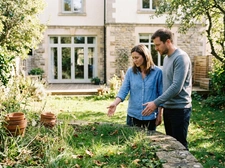
When buyers fall in love with a house but hesitate over the garden, the cause is almost always the same: an outdoor space perceived as too much work, poorly maintained or badly oriented, rather than a real flaw in the property. In France, in 2026, more than 64% of buyers place the outdoor space at the heart of their search criteria, compared with 48% only a few years ago, and a neglected garden now weighs as much as dated decor. The good news is that this obstacle can almost always be removed with simple solutions: targeted upkeep before viewings, a presentation that shows how the space can be used rather than how large it is, and sometimes a modest, well-considered investment before putting the property on the market. This article explains, in practical terms, how to turn this obstacle into a selling point.
In summary
- A garden that gives an impression of burden (too large, poorly maintained, badly oriented) makes even buyers who are won over by the interior of the house hesitate.
- The first impression is made outside, even before the entrance: a mown lawn, tidy flower beds and a clear terrace are often enough to unblock a negotiation.
- Landscaping costs on average between €20 and €70/m² depending on the level of finish, and is only justified if the expected return exceeds the expense.
- The role of the agent during the viewing changes everything: they turn the perception of a garden that "needs maintaining" into a concrete vision of an outdoor space "to enjoy".
Why the garden has become as decisive a criterion as the house itself
Ten years ago, the garden was often just a bonus. Today, it is an integral part of buyers' requirements, on a par with the number of bedrooms or the brightness of the living room. The lockdown marked a lasting turning point: the French rediscovered the value of an outdoor space to unwind, entertain, grow a few vegetables or simply set up a table. This change in mindset has not faded; it has become established.
What failed viewings reveal
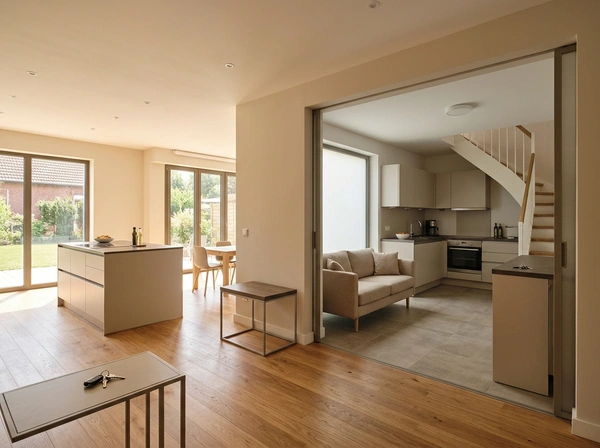
In the field, a pattern repeats itself: buyers walk in, are charmed by the open-plan kitchen, the parquet flooring, the brightness... then step out into the garden and silence falls. This silence is almost never a rejection of the property itself. It is a mental projection that tips the other way: "will I be able to handle this every week?" The garden then becomes a point of psychological friction, not an objective problem with the house.
A criterion that weighs as much as interior decor
Recent studies on 2026 expectations are unambiguous: a generous, well-designed and easy-to-live-in outdoor space comes first among the criteria sought, alongside the DPE (energy performance diagnostic) and location. A garden that inspires confidence can literally tip an offer. Conversely, a neglected outdoor space can cost several thousand euros in negotiation, even on an otherwise flawless house.
Poorly maintained garden: the number one obstacle before the viewing
This is the most frequent case, and paradoxically the easiest to fix. A garden overrun with weeds, a long lawn, a terrace covered in moss or tools lying around send a very clear unconscious message to visitors: "there is work to do here". Yet nobody wants to buy work, especially at a time when real estate purchasing power remains strained.
What buyers see in ten seconds
The first impression of the outdoors is formed before the front door even opens. A clear driveway, a mown lawn and neat flower beds create an immediate sense of well-being, almost a love at first sight, which then colors the entire viewing positively. It is a phenomenon well known to field agents: the emotion felt in the first thirty seconds influences the perception of the rest of the property.
The simple actions that change everything
There is no need for a substantial budget to correct course. Mowing, weeding, trimming hedges, putting away gardening equipment, cleaning the terrace with a pressure washer and removing damaged or unused items are enough in the vast majority of cases. This is often the first recommendation I give to owners before even scheduling the first viewings, and it is also what I systematically check when I help a seller estimate your property's value, because a neglected outdoor space mechanically lowers the perceived value, regardless of the real value.
The expert's word
"I've seen sales unblock in a single day simply because we had taken two hours to mow, weed and tidy the garden before a second viewing, when nothing else in the file had changed; what buyers are buying is not just square metres, it is an image of themselves living in that place, and an overgrown garden shatters that projection instantly, just as a garden that is too large or too technical frightens them about the Sundays to come; my role, as an advisor, is precisely to defuse that anxiety before it becomes a reason for refusal disguised as a price negotiation, by showing very concretely, with figures and accessible maintenance solutions, that this garden is not a burden but a real asset for daily life, and I can tell you that in nine cases out of ten, this approach is enough to turn hesitation into a signature."
A garden that is too large: the fear of future upkeep
A plot of 500 m² or more is dreamy on paper, but it often causes concern in practice. Buyers immediately picture the time they will have to devote to it every weekend, the cost of a suitable robotic lawnmower, or the upkeep of a hedge stretching over fifty metres. So it is not the size itself that is the problem, but the image of the workload that it conveys.
Why the surface area is frightening
Plots of more than 200 m² remain sought after, particularly in peri-urban areas, but they are also judged by how easy they are to manage. A large, unstructured garden, with no defined areas, gives an impression of empty space that must be filled and maintained in its entirety. This is often more anxiety-inducing than a more modest but well-designed garden.
How to reassure without lying
The solution is not to downplay the surface area, but to structure it visually during the viewing: show one mowed and well-kept area, another left more natural as a flowering meadow, and a defined vegetable garden space. This staging tells a different story: that of an adaptable garden, where you choose your own level of involvement, rather than that of a uniform burden to be endured across the entire surface.
A garden that is too small or poorly exposed: how to turn perception around
Conversely, a small garden or one facing due north may seem an obvious weakness. Yet this type of outdoor space is a perfect match for a growing share of buyers, particularly young professionals or couples without children who are looking for a pleasant space without spending their weekends on it.
Focus on uses rather than size
A small, well-laid-out garden, with a terrace, a few flowering pots and a dining corner, communicates a clear promise: that of an easy-to-enjoy outdoor space, without heavy upkeep demands. This is exactly what more and more buyers are looking for in 2026, favouring simple, readable and efficient choices over a complex and demanding layout.
Exposure: what you can say and what you cannot change
Exposure cannot be changed, but how it is perceived can. A garden with little sunlight can be enhanced with shade-tolerant plantings, light-coloured furniture that reflects light, or carefully designed outdoor lighting for the evenings. Honesty remains essential: it is better to acknowledge a north-facing orientation and offer concrete solutions than to hope the buyer won't notice, which always ends up resurfacing in negotiation.
The practical tip
- Schedule viewings in late morning or early afternoon, when natural light is at its most flattering for the outdoor space.
- Invest in two or three pots of seasonal flowers rather than a complete landscaping job: the visual effect is immediate for a minimal cost.
- Put away anything that suggests an unfinished chore: wheelbarrow, pile of branches, a watering can left lying around.
- Prepare a simple sheet listing the actual monthly upkeep time for the garden, to defuse the fantasies of anxious buyers.
- If the budget allows, a professional mowing and a terrace cleaning just before each series of viewings are often enough on their own.
Should you invest before selling? What it really costs
This is the question almost all sellers ask when faced with a garden that is putting buyers off: should you spend money before putting the property on the market, or let the buyer do their own work? The answer depends on the amount involved and the type of property.
Prices observed in 2025-2026
A basic landscaping job, with lawn seeding and simple plantings, costs on average between €20 and €40/m². A higher-quality job, with carefully designed flower beds, a terrace and automatic watering, tends to run between €40 and €70/m². For a 200 m² garden, this represents a budget of between €5,000 and €15,000, and the hourly rates of a landscape gardener are around €25 to €35 per hour, compared with €40 to €75 for a landscape architect who designs a complete plan.
When the investment pays off, and when it does not
The rule of thumb generally accepted by professionals is that outdoor landscaping should represent between 5 and 10% of the target sale price in order to remain profitable. Beyond that, the risk of not recouping your outlay becomes real. In the majority of cases I come across, a simple cleanup and some restoration are more than enough to remove the obstacle, without the need to undertake major works. Before getting started, always compare your property with similar property listings in your area: this gives you a realistic idea of what buyers are willing to pay for an outdoor space that is already landscaped.
Swimming pool, terrace, vegetable garden: the alternatives that reassure buyers
When a garden is considered too demanding in its current form, certain improvements can completely change the perception, provided you choose carefully the one that suits your property and your local market.
The terrace, a safe bet
It is the most universally appealing and most profitable improvement. A well-positioned terrace, clear and in good condition, is immediately perceived as an additional living space, a true "summer lounge". It appeals to all age groups and all buyer profiles, unlike other, more divisive features.
Swimming pool and vegetable garden: a double-edged sword
A swimming pool appeals to some buyers but drives others away, put off by maintenance costs and safety concerns, especially with young children. The vegetable garden, for its part, is very popular in 2026 in keeping with the trend toward local consumption and a return to the land, but only if it is presented as an optional extra and not as a space that must be maintained. In both cases, it is better to ask your advisor about the real demand in your area before investing.
How to present the garden during the viewing to remove the obstacle
Beyond the condition of the garden itself, the way it is presented during the viewing often changes everything. This is where the support of a professional makes a real difference compared with a private sale between individuals.
The advisor's role during the viewing
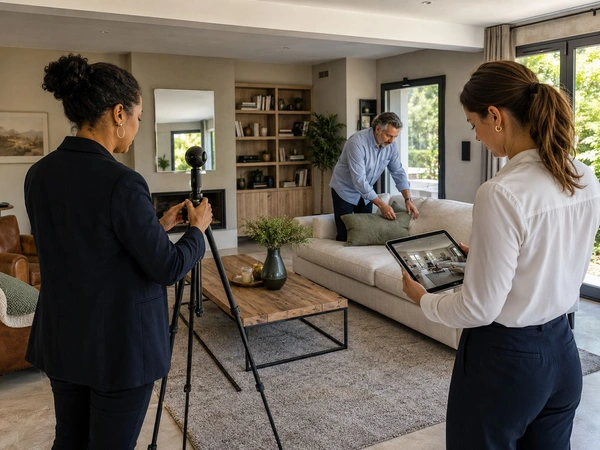
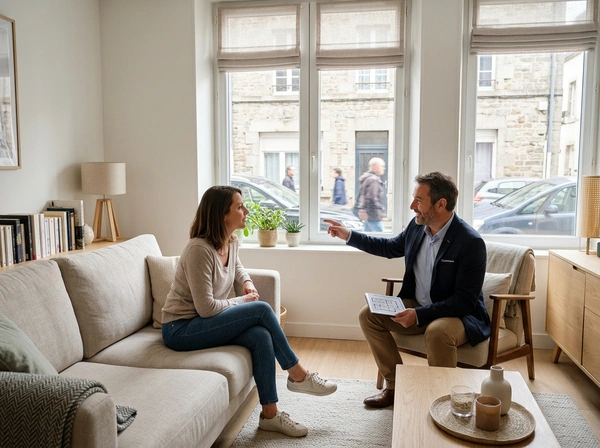
A good advisor does not simply open the garden door; they tell a story: the corner where you can have your coffee in the morning, the ideal spot for a barbecue in summer, the part that can be left as a meadow with no effort. This storytelling turns an abstract surface into concrete uses, which immediately reassures the buyer about their ability to make the space their own without devoting every weekend to it. It is also the advisor's role to anticipate objections before they are raised, by preparing honest answers backed by figures.
Documents and staging that help buyers decide
A few photos of the garden in bloom in different seasons, a realistic estimate of the monthly maintenance time, or the contact details of a local gardener for a maintenance contract can be enough to turn hesitation into a decision. If you do not know how to approach this subject with your potential buyers, do not hesitate to find a local real estate advisor who knows the specifics of your market and will be able to showcase your outdoor space as it deserves.
Conclusion
A garden that makes otherwise enthusiastic buyers hesitate is almost never an insurmountable problem: it is a signal to be decoded and dealt with methodically. In the majority of cases, careful upkeep, a presentation that highlights uses rather than surface area, and a good dose of honesty about the real constraints are enough to turn this point of friction into a selling point. When an investment proves necessary, it should remain well considered and proportionate to the value of the property, never improvised in the rush of a negotiation that is dragging on. In any case, do not face this kind of obstacle alone: a professional on the ground will be able to tell you, within a few minutes, what is really holding things up and how to remedy it effectively.
FAQ - Frequently asked questions
Can a poorly maintained garden really lower the sale price?
Yes, very concretely. A neglected exterior gives the impression that work will be needed, which often leads buyers to negotiate the price more firmly, even when the house itself is in perfect condition. A simple clean-up before viewings is generally enough to avoid this price reduction.
Is it necessary to completely redo the garden before selling?
Rarely. In the vast majority of cases, basic upkeep (mowing, weeding, tidying) is enough to remove obstacles. A full landscaping project is only justified if its cost remains proportionate, generally between 5 and 10% of the target sale price, and if the local market genuinely values this type of investment.
How can you reassure a buyer who finds the garden too big to maintain?
By showing rather than explaining: visually delineate a regularly mown area and a more natural area, present a realistic estimate of the monthly maintenance time, and, if needed, mention existing solutions such as a robotic lawn mower or an on-demand gardener.
Is a poorly exposed, north-facing garden a real obstacle to a sale?
It is a point of concern, but rarely a definitive obstacle. The orientation cannot be changed, but how it is perceived can be improved with shade-tolerant plantings, light-coloured furniture and carefully designed outdoor lighting, especially for evening or late-afternoon viewings.
Which outdoor improvements add the most value when reselling?
The terrace remains the safest bet because it appeals to almost all buyer profiles. A swimming pool and a vegetable garden attract part of the market but can also put off another part: it is better to seek advice on the specific expectations of your area before investing.
Author of the publication

Fabrice DOBROWOLSKI, Director of the Optimhome network
«Benefit from myexpert advice, based on many years of experience in real estate, to ensure the success of your buying or selling project. »