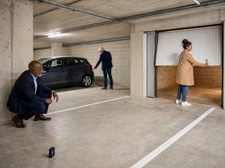
Selling a parking space or garage separately from a home follows a very specific market logic, quite different from selling an apartment or house.
In major cities and areas where parking is in short supply, demand often exceeds supply, creating genuine opportunities for owners.
This article explains how to value this type of property, who the potential buyers are, how capital gains are taxed, and which notarial and administrative formalities must be followed. You will also find practical advice on setting the right price and effectively advertising your property in this niche market.
Key Takeaways
- The market for parking spaces and garages sold separately is driven by the shortage of parking in city centres and areas where demand is high.
- Valuation is based primarily on very local comparable properties, scarcity, security and accessibility, rather than on living space.
- Buyers are mainly local residents without their own parking space and investors looking for stable rental returns with limited management.
- Capital gains are taxed in the same way as for other property, with progressive allowances based on the length of ownership.
- The sale must be completed through a notary, even for a simple co-ownership unit, and a right of first refusal may apply.
- Setting a price consistent with the local market and using targeted advertising can help sell this type of property quickly.
A Niche Market Driven by Parking Shortages
Selling a parking space or garage on its own, without an associated home, is a market in its own right.
In densely populated city centres, recently developed neighbourhoods subject to restrictive parking standards, or co-owned buildings located near railway stations and employment hubs, finding a parking space can become a real everyday problem for many residents.
This pressure directly translates into strong demand for parking spaces and garages put up for sale, sometimes with several potential buyers interested in a single property.
This puts sellers in a relatively favourable position, provided they value their property correctly and understand buyers' expectations.
A lock-up garage cannot be compared with an outdoor parking space, and a secure underground parking space will not sell for the same price as an open-air space on a busy street.
For this type of property, the concept of a "market" should therefore be understood at neighbourhood level, or sometimes even at building level, as prices can vary considerably from one street to another depending on local parking pressure.
Parking Space, Garage or Lock-Up: Different Types of Property
From a legal perspective, a privately owned individual garage, a parking space in a co-owned building identified by its own lot number, and a lock-up garage within a shared complex do not follow exactly the same rules when sold.
In a co-owned building, the parking space constitutes a separate lot, with its own lot number and share of co-ownership charges, which directly affects the formalities that must be completed before signing the sale.
How to Value a Parking Space or Garage
Valuing a parking space or garage is not based on the same criteria as valuing a home.
There is no living space and, in most cases, no Energy Performance Certificate (DPE) as such, while the precise location is even more important than for a conventional property.
Three factors determine most of the value:
- the local scarcity of parking;
- the level of security and accessibility;
- recent prices achieved for comparable properties in the same area.
Use Very Local Comparables
Unlike an apartment, a parking space should be compared at neighbourhood level and sometimes even within the same co-owned building.
Recent listings for parking spaces or garages in the same building or neighbouring streets provide the most reliable reference.
For example, a secure underground parking space in a major city where parking is in high demand may sell for several thousand euros more than an equivalent space in an area where on-street parking remains easy to find.
Highlight Scarcity, Security and Accessibility
A lock-up garage that can be secured with a key, accessed using a keypad or remote control, protected from the weather and easily manoeuvred into with a standard-sized vehicle will generally be worth significantly more than an open parking space that is difficult to access or located in an unsecured car park.
Ceiling height—for taller vehicles or vans—the width of the space and immediate proximity to a pedestrian entrance are all practical criteria buyers will check before making a decision.
To refine your valuation, an online property valuation completed in just a few minutes can provide an initial indication, which can then be compared with the opinion of a professional who knows the prices achieved in your local area.
Combining an online tool with local market expertise is often the best way to determine the right price for selling a parking space or garage under the right conditions
Who Buys a Parking Space or Garage Sold Separately?
Two types of buyers dominate this market, with very different motivations and decision-making criteria.
Understanding who you are targeting allows you to adapt your listing and sales pitch accordingly.
Local Residents Looking for a Parking Solution
The first type of buyer is a local resident, whether an owner or tenant, who lives nearby but does not have their own parking space and wants to purchase one for personal use.
These buyers are generally less concerned about investment returns. Above all, they are looking for a practical and long-term solution to an everyday problem.
They are often prepared to pay a price consistent with local scarcity rather than continue searching for an available space on the street every evening.
Investors Looking for a Small, Stable Return
The second type of buyer is a property investor who purchases a parking space or garage to rent out and generate regular income, with significantly less management than a residential property.
There is no rental vacancy caused by major renovation work, no regulated rent caps, and rental demand is often structural in areas where parking is scarce.
This type of property therefore appeals to investors looking to diversify their portfolio with a relatively modest initial investment.
Before making an offer, these buyers will generally calculate the return on the property investment by comparing the potential rent with the purchase price and co-ownership charges, to ensure that the investment remains worthwhile over time.
Capital Gains Tax When Selling a Parking Space or Garage
The sale of a parking space or garage follows the same tax rules as any other property, whether it is a home, commercial premises or land.
The capital gain—the difference between the sale price and the purchase price, adjusted for certain eligible costs—is subject to 19% income tax, as well as social contributions, unless the property forms part of your main residence.
Allowances Based on Length of Ownership
The taxable capital gain is progressively reduced according to how long you have owned the property, until full exemption is reached after a certain number of years.
Different schedules apply to income tax and social contributions.
In practice, the longer you have owned your parking space or garage before selling it, the lower the tax on the capital gain will be. This may influence when you decide to put the property on the market.
For example, an owner who bought a garage around ten years ago and sells it with a moderate capital gain will generally pay significantly less tax than if they had sold it only two or three years after purchasing it.
It is advisable to keep the original purchase deed and any invoices for work carried out, as these amounts may be deducted when calculating the taxable capital gain.
The Specific Case of a Main Residence
When a parking space or garage is sold at the same time as the main residence to which it is directly attached—under the same transaction and to the same buyer—it may, in certain circumstances, benefit from the main residence capital gains tax exemption.
However, if it is sold separately, to a different buyer or at another time, this exemption no longer applies and the sale becomes subject to the standard property capital gains tax regime.
Notarial Formalities and Right of First Refusal to Check
Even though a parking space or garage may have a relatively low value compared with a home, its sale remains a property transaction in its own right, with all the formalities this involves.
A Notarial Deed Is Mandatory, Even for a Co-Ownership Lot
Contrary to a common misconception, there is no simplified procedure that allows you to sell a parking space or garage without involving a notary.
A preliminary sale agreement followed by an authentic deed of sale is still required, with the transfer of ownership registered in the land registry, even when the property is simply a co-ownership lot identified by a number.
This formality protects both the seller and the buyer by legally securing the transfer of ownership and making it enforceable against third parties.
Right of First Refusal: A Point That Should Never Be Overlooked
Depending on the circumstances, a right of first refusal may apply to the sale of a parking space or garage, and it is essential to check this before signing any documents.
In some co-owned buildings, the co-ownership regulations may provide for a preferential right allowing other co-owners to purchase a parking lot first.
In addition, the local authority may have an urban right of first refusal in certain areas, meaning it must be informed of the sale before it can be completed.
Your notary will normally carry out these checks, but it is useful to anticipate them from the moment the property is put on the market to avoid any last-minute delays.
Work with an Optimhome Real Estate Advisor
Selling a property as specific as a parking space or garage requires detailed knowledge of the local market, often even more precise than for a conventional home, as prices can vary significantly from one street to another.
A local Optimhome real estate advisor knows the prices actually achieved in your neighbourhood, understands where and how to target the right buyers, and can assist you with the preliminary sale agreement and checks relating to any applicable rights of first refusal.
Working with a professional also helps secure every stage of the transaction, from setting the price through to signing with the notary, while leaving you more time to deal with your other arrangements.
How to Set Your Price and Advertise Your Property
In this niche market, setting a realistic price from the outset can make the sale considerably easier.
An overpriced parking space or garage can remain on the market for several months, while a correctly priced property will often sell within a few weeks in areas where demand is strong.
Set a Realistic Price from the Start
It is advisable to use recent transactions in your building or neighbourhood as a reference, while taking into account the specific characteristics of your property, such as whether it is a lock-up garage or open parking space, its size and accessibility.
An online property valuation is a useful starting point for establishing a price range, before refining it with a professional who follows the local market on a daily basis.
Where to Advertise to Reach the Right Buyers
Advertising a parking space or garage is more effective when it is targeted: notices in the entrance hall of your building and neighbouring buildings, local community networks, specialist parking websites and, of course, general property portals.
Optimhome advisors' property listings can give this type of property professional visibility, with support in writing a clear listing that highlights the parking space's real advantages, such as security, accessibility and location.
It can also be useful to compare your approach with other less conventional types of property. Just like selling commercial premises or selling an unusual property, selling a parking space or garage targets a smaller but often highly motivated group of buyers, which justifies a tailored marketing strategy rather than a generic property listing.
Conclusion
Selling a parking space or garage separately from a home is a property transaction in its own right, with its own valuation rules, target buyers and formalities.
- The market is driven by parking shortages in city centres and high-demand areas.
- Valuation is based on very local comparables, as well as the property's security and accessibility.
- Buyers are divided between local residents looking for a practical parking solution and investors seeking stable returns.
- Capital gains are taxed in the same way as for other property, with allowances based on the length of ownership.
- A notarial deed remains mandatory, and any right of first refusal must be checked before signing.
Working with a professional remains the best way to set the right price, secure the formalities and sell under the best possible conditions.
FAQ
Can You Sell a Parking Space Without Going Through a Notary?
No. The sale of a parking space or garage requires a notarial deed, just like any other property transaction, including when it is simply a co-ownership lot.
This formality ensures the legal security of the transaction and its registration in the land registry.
Do You Need Property Surveys to Sell a Garage?
The survey requirements are more limited than for a residential property, particularly as an Energy Performance Certificate (DPE) is not required in many cases.
However, certain surveys, such as the risk report, may still be required depending on the location. Your notary or real estate advisor can tell you exactly which requirements apply to your situation.
Who Has a Right of First Refusal on a Parking Space in a Co-Owned Building?
This depends on the co-ownership regulations and the location of the property.
Some regulations grant other co-owners a preferential right to purchase the parking space, while the local authority may have an urban right of first refusal in certain areas.
Checking this in advance helps avoid any problems when the sale is due to be signed.
How Do You Correctly Value a Parking Space or Garage?
The valuation is based on recent prices achieved in the same building or neighbourhood, taking into account security, accessibility and the local scarcity of parking.
An online property valuation followed by advice from a local professional can help determine a realistic price.
Is the Capital Gain on a Parking Space Taxed in the Same Way as a Home?
Yes. The capital gain made on the sale of a parking space or garage is subject to the standard property capital gains tax regime, with progressive allowances based on the length of ownership.
An exception may apply when the parking space or garage is sold together with the main residence to which it is attached.
Who Usually Buys a Parking Space Sold Separately?
Buyers are mainly local residents without their own parking solution and investors looking for stable rental returns with limited management.
This dual demand explains why this type of property can often sell quickly in areas where parking is scarce.
Is It Worth Using a Real Estate Advisor to Sell a Parking Space?
Yes. A real estate advisor knows the actual prices achieved locally, can target the right buyers and can assist you with legal checks such as rights of first refusal.
This can often help you sell more quickly and under better conditions than managing the sale alone.
Author :

Fabrice DOBROWOLSKI - Optimhome Network Development Director
Optimhome offers you personalized support for your real estate project. Benefit from all my advice, based on several years of experience, to ensure the success of your project.