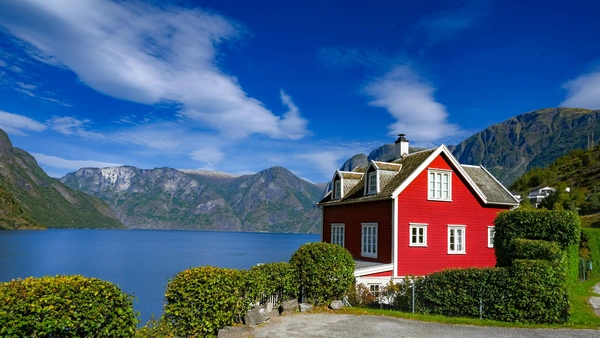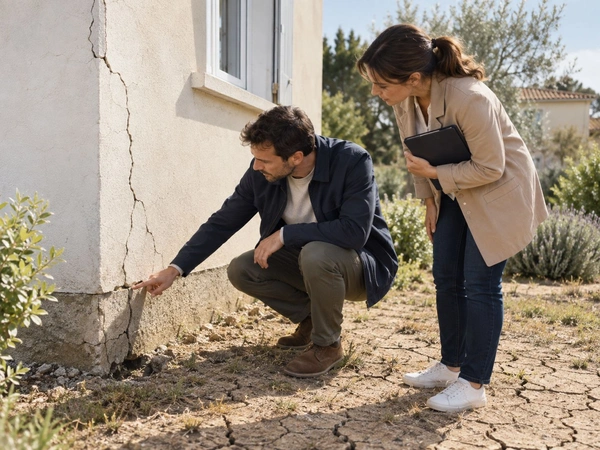
Buying a second home in France appeals to a growing number of French people each year, looking for a holiday pied-à-terre, a safe-haven asset or a future retirement home. However, this type of purchase follows different tax and financial rules from those applying to a main residence, notably a housing tax (taxe d'habitation) that is still due, a possible surcharge in high-demand areas, and taxation on capital gains with no automatic allowance. Before taking the plunge, it is therefore essential to understand these specifics in order to avoid unpleasant surprises and secure the project.
Key points
- The housing tax on second homes remains due throughout France and can be increased by 5% to 60% in high-demand areas.
- Capital gains on resale are taxable from the first euro, without the full exemption enjoyed by a main residence.
- Banks generally require a larger down payment (20 to 30%) and no subsidised loan such as the PTZ (interest-free loan) can be used.
- Occasional seasonal rental can offset part of the running costs, but involves specific reporting and tax obligations.
Why buy a second home in 2026?
The reasons for buying a second home are varied and often combined. The main driver remains leisure: having a home by the sea, in the mountains or in the countryside for weekends and holidays, without depending on the availability or price of seasonal rentals. Many buyers also see it as a safe-haven asset, a tangible investment perceived as more stable than financial markets, capable of appreciating over the long term in sought-after tourist areas.
Lastly, many working people aged 45 to 60 buy a second home in anticipation of retirement, with the idea of eventually making it their main residence. This strategy allows them to gradually discover a region, build local habits there and spread out the financial effort before the final transition. Whatever the project, it is advisable to start with an online property valuation to accurately assess one's budget and borrowing capacity before setting sights on a property.
The specific taxation of a second home
The housing tax (taxe d'habitation) still due
Unlike a main residence, where the housing tax has been abolished for all households, it remains due every year for any second home, regardless of the owner's income level. Its amount varies according to the municipality, the cadastral rental value of the property and the rates set locally, which can represent several hundred to more than a thousand euros per year in certain tourist areas.
The surcharge in high-demand areas
In municipalities classified as high-demand areas (zones tendues), that is to say where demand for housing far exceeds supply, local councils can vote to apply a surcharge on the housing tax for second homes, ranging between 5% and 60% of the base amount. An increasing number of coastal towns, mountain resorts and large tourist conurbations are applying this measure to encourage vacant homes to be put back on the rental market. It is therefore essential to check the classification of the municipality in question before buying, as this surcharge can significantly increase the annual cost of ownership.
Capital gains on resale
Unlike a main residence, which is exempt from capital gains tax on resale, a second home is taxed from the first euro of gain realised. The capital gain is subject to income tax at a rate of 19%, as well as social security contributions (prélèvements sociaux) of 17.2%, giving an overall taxation rate of 36.2% before allowances. Allowances for length of ownership then apply progressively, with full exemption from income tax after 22 years of ownership and from social security contributions after 30 years. This factor must absolutely be included in the overall profitability calculation of the project, particularly for a purchase intended as an investment.
Financing a second home: stricter rules
Financing a second home is subject to more demanding bank criteria than for a first purchase. Lending institutions generally require a larger personal down payment, often between 20% and 30% of the property price, compared to an average of 10% for a main residence. This requirement is explained by the fact that this type of purchase is considered less of a priority by banks and presents a different risk profile in the event of the borrower's financial difficulties.
Another major difference: no public assistance such as the interest-free loan (PTZ) can be used to purchase a second home, as this scheme is strictly reserved for a primary residence, subject to income conditions and first-time buyer status. The borrower's overall debt ratio, including the loan on the primary residence if one already exists, is also closely scrutinised and must not exceed 35% of income. Personalised support often makes it possible to anticipate these constraints: approaching a local Optimhome property consultant helps put together a solid file and identify properties that genuinely match the financeable budget.
Maintenance costs and remote management
Owning a second home involves recurring costs that are often underestimated at the time of purchase. Beyond the property tax and the residence tax, it is necessary to budget for routine upkeep, any co-ownership charges, home insurance, off-season heating to prevent dampness, as well as securing the property during long periods of vacancy.
Remote management is another practical challenge. A home left empty for several months a year requires regular monitoring against water damage, vandalism or intrusions. Several solutions exist to address this:
- calling on a trusted neighbour or caretaker for periodic visits;
- installing a connected remote surveillance system with remote alerts;
- entrusting management to a local concierge service, particularly if the property is occasionally rented out;
- taking out suitable insurance specifically covering unoccupied second homes.
Choosing the right location for your second home
The choice of location determines both the pleasure of using the property and its asset value. Several criteria deserve consideration before making a decision:
- the travel time and ease of access from the primary residence, a decisive factor for how often the property will actually be used;
- the area's tourist appeal, a guarantee of rental potential and long-term appreciation in value;
- the level of local taxes and any classification in a high-demand area (zone tendue);
- the presence of shops, healthcare services and transport links, particularly important if the property is considered as a future retirement home;
- exposure to climate risks (coastal erosion, flooding, drought), increasingly scrutinised by insurers and future buyers.
Comparing several areas and consulting Optimhome property listings provides a concrete view of prevailing prices and the types of properties available in the geographic areas being considered.
Renting out your second home on an occasional basis
Many owners opt for occasional seasonal letting in order to generate additional income and offset part of the running costs. This practice is nonetheless regulated: rental income must be declared under the industrial and commercial profits category (BIC), with a choice between the micro-BIC scheme, which offers a flat-rate allowance, and the actual expenses scheme if actual costs are higher.
Some municipalities, particularly in major tourist cities, also require prior registration of the property with the town hall and limit the number of nights that can be let per year for a second home. It is therefore advisable to find out about local regulations before getting started, and to factor this potential income cautiously into the financing plan rather than treating it as guaranteed from the very first year.
Conclusion
Buying a second home remains an attractive project in 2026, whether to enjoy a different living environment, build up tangible assets or prepare calmly for retirement. However, this type of purchase involves specific taxation, with the residence tax still applying, a possible surcharge in high-demand areas (zones tendues), and taxation of capital gains without the benefits granted to a primary residence, as well as stricter financing conditions.
Anticipating these specific features from the research phase onward, relying on a reliable valuation and the support of a local professional, helps secure the project and make the right trade-offs between location, budget and the property's future use.
FAQ
Do you have to pay residence tax on a second home in 2026?
Yes, residence tax remains payable each year for any second home, unlike the primary residence, which is exempt from it. The amount depends on the municipality and may be increased in a high-demand area (zone tendue).
Can you benefit from the interest-free loan (PTZ) for a second home?
No, the PTZ (zero-interest loan) is exclusively reserved for the purchase of a main residence, subject to income conditions and first-time buyer status. The purchase of a second home must therefore be financed without this assistance scheme.
How is the capital gain calculated when reselling a second home?
The capital gain is taxed at 19% under income tax and 17.2% under social security contributions, with progressive allowances depending on the length of ownership. Full exemption only occurs after 22 years for income tax and 30 years for social security contributions.
What down payment should be planned for to buy a second home?
Banks generally require a personal down payment of between 20% and 30% of the property price, a higher level than for a main residence. This level may vary depending on the borrower's profile and overall debt capacity.
Can you occasionally rent out your second home without changing its tax status?
Yes, occasional seasonal rental is possible while retaining second home status, but the income received must be declared under BIC (industrial and commercial profits). Some municipalities also require prior registration and a cap on the number of nights rented per year.
How can you find out if a municipality is classified as a tense zone (zone tendue)?
Classification as a tense zone is set by decree and can be checked on official websites or with the relevant town hall. A local real estate advisor can also provide information on this point before the purchase, as it determines whether a possible housing tax surcharge applies.
Author of the publication

Fabrice DOBROWOLSKI, Director of the Optimhome network
«Benefit from myexpert advice, based on many years of experience in real estate, to ensure the success of your buying or selling project. »