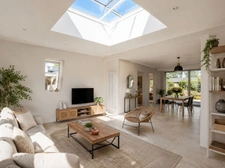
Many houses and apartments suffer from a lack of natural light in certain rooms, which negatively impacts daily comfort and property value. A light well is an ideal solution for transforming a dark room into a pleasant space filled with natural daylight. A bright property sells better and attracts more buyers: good natural lighting can increase a home's value by 5% to 15%, depending on its orientation. Discover 7 practical tips to successfully complete your light well project in 2026. Get your online property valuation and your local Optimhome advisor will provide you with a detailed appraisal report and a tailored strategy to help you sell your property under the best possible conditions.
Summary
- A light well significantly improves indoor brightness and can help increase a property's value, particularly in dark spaces such as kitchens, bathrooms, bedrooms, or extensions.
- Several solutions are available depending on the property's configuration: tubular daylighting systems, roof windows such as Velux, skylights, or artificial light wells for spaces without direct roof access.
- The success of the project depends on several key factors: proper placement, roof compatibility, insulation quality, waterproofing, heat management, and compliance with planning regulations.
- Costs vary according to the system selected and the level of finish, making it an attractive investment for both sellers and buyers looking for a brighter, more comfortable, and more valuable property.
The Different Types of Light Wells for Your Home
Tubular Daylighting Systems and Light Domes
A tubular daylighting system is a compact and efficient solution for illuminating windowless rooms. It works through a reflective tube that channels daylight from the roof to the ceiling of the room being illuminated. The roof-mounted light dome captures sunlight from all angles thanks to integrated prisms, maximizing natural light collection regardless of weather conditions.
Inside, the tube features a highly reflective lining (up to 99.7% reflectivity for brands such as Solatube and Solarspot), transmitting the maximum amount of daylight. This overhead light source can provide up to two additional hours of brightness per day compared with a traditional roof window.
Velux Roof Windows and Skylights
A fixed roof window, such as a Velux Sun Tunnel, offers a broader alternative to a tubular daylighting system. This type of light well is integrated directly into the roof and distributes natural light evenly throughout the space. A skylight, meanwhile, is a larger overhead opening designed to completely transform the atmosphere of a room. Some models are motorized and can be opened for ventilation, while others remain fixed. These solutions are particularly suitable for living spaces where you want to create a genuine sense of openness and visual comfort.
Roof-Mounted Light Wells: Flat Roofs and Pitched Roofs
The installation of a light well varies depending on the type of roof on your home. On a flat roof, the system requires a suitable flashing frame and a dedicated waterproof membrane to ensure optimal protection against water infiltration. On a pitched roof, installation requires flashing compatible with the existing roofing material (tiles, slate, or metal roofing). Tubular daylighting systems can be installed on roof pitches ranging from 0° to 60°, offering excellent flexibility.
The following comparison table can help you choose the right type of light well for your project:
Type of Light Well | Illuminated Area | Indicative Cost (Installation Included) | Compatible Roof Type |
|---|---|---|---|
Tubular Daylighting System | 9 to 13 m² | €300 to €1,500 | Flat and pitched roofs (0° to 60°) |
Fixed Roof Window | 10 to 20 m² | €500 to €3,000 | Pitched roofs (15° to 60°) |
Skylight | 20 m² and more | €800 to €4,000 | Flat and pitched roofs |
7 Tips for Successfully Installing a Light Well
1. Choose the Right Location: Kitchen, Bathroom, or Bedroom
The location of your light well determines its effectiveness. A kitchen or bathroom without windows can immediately benefit from this source of natural light, transforming a dark room into a pleasant living space. In a bedroom, a light well improves visual comfort and creates a relaxing atmosphere. During a property viewing, identify the darkest rooms—these are the spaces that will benefit most from a light well and increase the property's appeal to buyers.
2. Choose Between a Ceiling-Mounted or Wall-Mounted Light Well
Depending on your property's layout, you can choose a ceiling-mounted light well, which provides direct and maximum overhead lighting, or a wall-mounted solution such as a glazed partition or glass blocks. The first option requires roof access and is best suited to detached homes, while the second works better in apartments or ground-floor rooms. Consult a professional to assess the technical feasibility and determine the most appropriate solution for your property.
3. Opt for a Kit to Create a Custom Light Well
Ready-to-install kits such as Solatube, Solarspot, or Lightway offer an accessible solution for experienced DIY enthusiasts. These pre-assembled kits simplify installation and ensure optimal waterproofing. If your project requires specific dimensions or a unique configuration, you can also have a custom light well built by a professional tradesperson. This option provides complete customization while ensuring a durable, professionally installed solution.
4. Install a Blind to Shade or Conceal the Light Well
A blind or cover is essential for controlling summer heat, reducing glare, and preserving privacy. Pleated blinds designed specifically for light wells allow you to adjust light intensity according to your needs. Some motorized models offer maximum convenience. This solution provides complete control over natural light while maintaining the energy efficiency of the installation.
5. Explore Artificial Light Wells for Basement Spaces
For basements and rooms without roof access, LED artificial light wells offer an effective alternative. LED panels such as MiraSky or Cumulux systems accurately reproduce daylight and create a realistic sky effect on the ceiling. These artificial lighting solutions bring visual comfort and brightness to windowless spaces while consuming very little energy thanks to LED technology.
6. Enhance a Home Extension or Conservatory
A light well can transform a home extension or conservatory into a space flooded with natural light. This solution maximizes brightness and creates an attractive atmosphere that appeals to buyers during viewings. A bright living space increases a property's attractiveness and can positively influence its valuation. Don't hesitate to ask your Optimhome advisor to assess the impact of these improvements on your property's value.
7. Plan Your Budget for an Affordable and Durable Solution
The cost of a light well varies depending on the chosen system. Expect to pay between €300 and €1,500, including installation, for a standard tubular daylighting system, and between €500 and €3,000 for a fixed roof window such as a Velux. Premium models with motorization or triple glazing can exceed €4,000. Request several quotes from qualified contractors to compare offers and select a solution that combines quality, durability, and energy efficiency.
Before starting installation, check the following key points:
- Roof type: tiles, metal roofing, flat roof, or pitched roof
- Roof access and technical feasibility
- Thermal insulation and waterproofing of the system
- Local regulations and prior planning approval requirements
- Overall budget: materials, installation, and finishing work
Conclusion
Installing a light well is a practical way to improve living comfort, enhance a property's appeal, and optimize its market value. Whether it is part of a renovation project before selling or a key feature sought by future buyers, natural light remains a powerful value-enhancing asset.
For homeowners preparing to sell, it is recommended to obtain an online property valuation to assess the potential impact of this type of improvement on the selling price. For both buyers and sellers, Optimhome real estate advisors provide expert guidance on project feasibility, property value, and the best decisions to make based on your specific situation.
Frequently Asked Questions About Light Wells
Do You Need Planning Permission for a Light Well?
Yes, a prior declaration of works is generally required in France, especially if the modification is visible from the exterior of your property. This application must be submitted to your local town hall and comply with Local Urban Planning Scheme (PLU) regulations. In protected or listed areas, a building permit may even be required. If you live in an apartment, you should also check your condominium regulations.
What Are the Drawbacks of a Light Well?
The main disadvantages involve the risk of water infiltration if the installation is not properly carried out or if seals deteriorate. Summer overheating can also become an issue if the light well is not equipped with shading or adequate ventilation. Finally, condensation and regular maintenance (cleaning the dome and checking waterproof seals) represent ongoing costs that should be anticipated to preserve visual comfort and the longevity of the installation.
What Is the Difference Between a Velux, a Sun Tunnel, and a Light Well?
A Velux is an operable roof window that provides both natural light and ventilation. A tubular daylighting system, such as those offered by Solatube or Nature & Confort, channels sunlight through a reflective tube to the ceiling, making it ideal for spaces without direct roof access. A light well refers to a fixed overhead opening, generally larger, that diffuses daylight without the possibility of opening it.
How Do You Clean a Light Well?
Cleaning two to three times per year is generally sufficient to maintain optimal light transmission. Use a soft cloth and a non-abrasive cleaning product to clean both the exterior dome and the interior diffuser. Take advantage of this maintenance to inspect seals and the frame for signs of cracking or wear. If your light well is difficult to access, hire a professional to perform the cleaning safely.
How Do You Insulate a Light Well?
Thermal insulation depends on choosing double or triple glazing filled with argon gas, which limits heat loss in winter and reduces heat gain in summer. The frame of the light well must be properly insulated and connected to the roof insulation to avoid thermal bridges. Some systems, such as Lightway's Blue Performance range, incorporate XPS polystyrene insulation to ensure energy efficiency and eliminate any risk of condensation.
Author :

Fabrice DOBROWOLSKI - Optimhome Network Development Director
Optimhome offers you personalized support for your real estate project. Benefit from all my advice, based on several years of experience, to ensure the success of your project.