Falling in love with a property during a viewing is something many buyers experience. This intense emotion can turn a simple visit into a concrete project within minutes. But beware: letting your heart make all the decisions can lead to costly mistakes. How can you balance reason and emotion in such a major commitment? Here are practical tips to protect yourself from making a rushed decision in 2026 and successfully complete your real estate project.
Understanding the Real Estate Love-at-First-Sight Effect: What Happens When You Fall for a Property
A real estate love-at-first-sight moment is that intense emotional reaction that hits you as soon as you step into a property. Similar to romantic love at first sight, it happens within seconds: the light flooding the living room, the warm atmosphere, the layout that seems perfectly made for you. Your heartbeat speeds up, and you immediately picture yourself living there, imagining your furniture, your routines, and your future life within those walls.
This emotional response is based on very real psychological mechanisms. You idealize the property, unconsciously minimize its flaws, and feel an urgency to make a decision before another buyer gets ahead of you. This powerful emotion can hide objective problems: dampness, renovation work, neighborhood nuisances, or a poor energy performance rating.
Real estate professionals design property listings and use home staging specifically to trigger this emotional response: carefully staged spaces, welcoming environments, and neutral decor intended to seduce you instantly. As a result, you may end up making a rushed decision driven more by emotion than logic.
Traps to Spot in a “Dream Home” Listing
Defects Hidden by Emotion During the Purchase
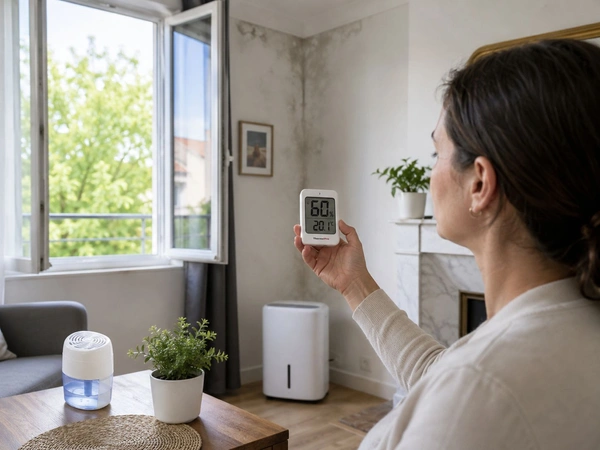
When you fall in love with a property, your brain tends to minimize warning signs. Structural issues often go unnoticed: traces of damp on the walls, an aging roof, poor insulation, or outdated electrical installations. These problems can lead to thousands of euros in renovation costs after the purchase.
Neighborhood nuisances also deserve your attention. A property may seem perfect during a daytime visit but reveal noise problems, parking difficulties, or challenging neighbors later on. Be sure to check the EPC (Energy Performance Certificate) as well: a property rated F or G will be expensive to heat and harder to resell. If the property is part of a condominium, carefully review the minutes from the co-owners’ meetings to identify any planned works or financial difficulties within the condominium association. Make sure all mandatory property diagnostics are completed before committing.
The Price and Hidden Costs of a Property for Sale
The advertised price is only part of your actual investment. In addition to notary fees (around 7% to 8% for older properties in France), renovation costs are often underestimated. Condominium charges can also significantly increase your monthly budget, as can property taxes, which vary depending on the municipality.
You should also consider future resale value. A property whose value may decline due to a poor EPC rating, major condominium works, or a neighborhood losing attractiveness can become a long-term financial trap. Before signing, request a detailed breakdown of all additional costs and think ahead several years.
Checklist of Key Points to Review Before Signing
- Complete diagnostics (EPC, asbestos, lead, electricity, gas, termites depending on the area)
- Price per square meter compared with the local market
- Annual condominium charges
- Renovation work required and estimated costs
- Energy rating and impact on resale value
- Immediate surroundings (noise, shops, transport links)
Combining Reason and Emotion to Secure Your Property Purchase
Adopting the Right Habits Before Committing
Before each viewing, prepare a checklist of objective criteria: overall budget, minimum surface area, desired location, and general condition of the property. After each visit, review this list to determine whether the property truly meets your essential needs. This simple method helps you separate emotional attraction from practical suitability.
Wait 48 hours before making a purchase offer. This delay allows emotions to settle and gives you time to reassess the property calmly, taking into account any flaws or renovation work you may have overlooked during the initial excitement.
Surrounding Yourself with a Real Estate Advisor for Peace of Mind
Working with an Optimhome real estate advisor provides you with an expert and impartial perspective on your project. Your advisor helps you obtain a reliable property valuation, verify that the asking price matches the local market, and secure the legal aspects of your transaction all the way to signing at the notary’s office. Don’t hesitate to contact an Optimhome advisor near you or use our online valuation tool to bring objectivity to your project and avoid a rushed decision that could end up costing you dearly.
Emotional Reaction | Rational Reflex |
|---|---|
Making an offer immediately after the viewing | Wait 48 hours to reassess calmly |
Ignoring visible defects | Review diagnostics and estimate renovation work |
Trusting only the asking price | Compare with local market prices |
Signing without guidance | Work with an advisor to secure the transaction |
FAQ
How Can You Tell if a Dream Home Is Really a Good Deal?
A dream home becomes a good deal if its price remains consistent with the local market, if the diagnostics reveal no major issues, and if any necessary renovation work has been accurately estimated. Before making an offer, compare the price per square meter with similar properties sold in the area and ensure the overall budget matches your financing capacity.
What Are the Most Common Pitfalls When Buying a Love-at-First-Sight Property?
The most common pitfalls include underestimating renovation costs, overlooking additional expenses, ignoring the EPC rating, failing to consider neighborhood nuisances, and underestimating condominium charges. Emotion can also push buyers to make an offer too quickly without properly reviewing diagnostics or comparing prices with the market.
Why Should You Wait Before Making a Purchase Offer?
Waiting 24 to 48 hours gives you time to step back after the viewing and reassess the property more rationally. This delay helps you review technical aspects, reread diagnostics, estimate hidden costs, and avoid making a decision based solely on emotion.
How Can You Check Whether the Price of a Dream Home Is Fair?
To determine whether the price is fair, compare the property with similar recent sales in the same neighborhood or town. Also analyze the surface area, general condition, EPC rating, amenities, renovation work needed, and immediate surroundings. A real estate advisor can help you objectively assess the true market value of the property.
Which Diagnostics Should You Review Before Buying a House?
The most important diagnostics to review are the EPC, electricity and gas diagnostics, asbestos and lead reports, termite inspections depending on the area, natural risk reports, and wastewater treatment diagnostics if applicable. These documents help identify technical defects, natural risks, or mandatory renovation work that could impact your budget after purchase.
How Can You Avoid Regretting a Property Purchase?
To avoid regrets, establish a list of essential criteria before starting visits: maximum budget, location, surface area, property condition, transport links, schools, charges, and resale potential. After each viewing, objectively compare the property against this list and seek an external opinion before committing.
Should You Buy a House with a Poor EPC Rating?
Buying a house with a poor EPC rating can still be worthwhile if the asking price reflects the energy renovation work required. However, you must carefully estimate insulation, heating, ventilation, and possible resale constraints. A poor EPC rating can reduce the property’s value and significantly increase running costs.
Why Should You Seek Support Before Buying a Love-at-First-Sight Property?
A real estate advisor provides an external perspective, analyzes the asking price, checks key warning signs, and secures every stage of the transaction. Their support helps balance emotion and reason while avoiding mistakes caused by making a rushed decision.
Author :

Fabrice DOBROWOLSKI - Optimhome Network Development Director
Optimhome offers you personalized support for your real estate project. Benefit from all my advice, based on several years of experience, to ensure the success of your project.