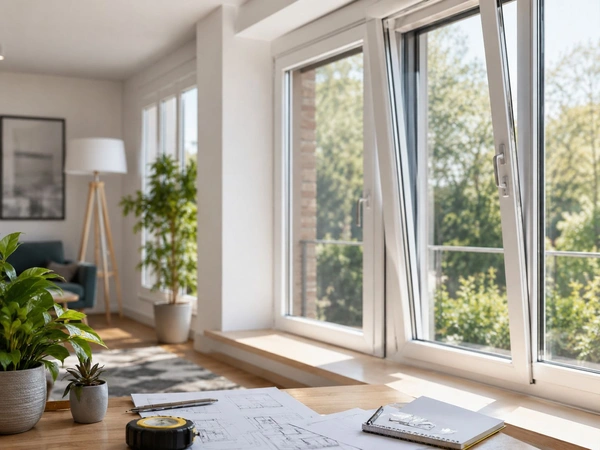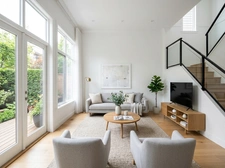
One year before the sale, in France what matters most comes down to three areas: diagnostics and administrative documents, high-return renovation work (DPE, kitchen, bathroom, paint, exterior), and choosing the right time to put the property on the market. In short, a budget of 5 to 10% of the property's value, well spread over twelve months, is generally enough to gain several thousand euros at signing. The most profitable levers remain improving the DPE, refreshing the kitchen and bathroom, and a careful decluttering that speeds up the sale. This guide gives you a concrete, realistic month-by-month schedule so that your house reaches the market in the best possible conditions.
In summary
- Plan ahead for the mandatory diagnostics now, because a DPE carried out before July 2021 is no longer valid and must be redone before any transaction.
- Prioritize high-ROI work: insulation and DPE, kitchen, bathroom, paint and flooring, in that order of profitability.
- Plan a reasonable renovation budget, between 5 and 10% of the property's estimated value, no more.
- Spread the actions over twelve months with a real schedule, and have your property valued beforehand so you can adjust your strategy throughout the year.
Why one year is exactly the right timeframe to prepare your sale properly
I often tell my clients who come to see me a year in advance: it is the ideal timeframe, neither too short nor too long. Too short, and you are at the mercy of urgent issues and pay more for tradespeople in a hurry. Too long, and you run out of steam, put off the work, and in the end nothing gets done. One year is enough to spread out the expenses, compare quotes, wait for the right windows of availability from tradespeople, and above all give the diagnostics and administrative documents time to run their course without stress.
Good timing avoids unpleasant surprises
A property that comes onto the market with a complete file, up-to-date diagnostics and visible renovation work sells faster and is negotiated down less. Conversely, a buyer who spots an unaddressed urgent issue, a roof that has let in water or a boiler on its last legs, will immediately use it to push the price down.
Planning ahead also means giving yourself options
With twelve months ahead of you, you stay in control of the decisions: which tradesperson to choose, what budget to allocate to which item, and at what time of year to put the property up for sale. It is the exact opposite of a rushed sale where you accept the first offer for lack of time.
The diagnostics and documents to start without delay
Before even thinking about paint or the kitchen, there is an administrative foundation to secure. It is a point that many sellers neglect, and yet it can block a signing at the last moment.
The DPE and the mandatory diagnostics
The DPE is valid for ten years, but be careful: since 1 January 2025, all DPEs carried out between January 2018 and June 2021 are considered expired and must be redone before any transaction. If yours dates from that period, have it redone right now; this gives you time to act on the items that weigh on the energy rating. The gas and electricity diagnostics, for their part, are only valid for three years in the case of a sale: check their date without delay. Also factor in the ERP (natural and technological risks statement), valid for only six months, which should only be carried out when the property is actually put on sale, and the asbestos or lead diagnostics depending on the age of the building.
Co-ownership documents and the technical file
If your house is part of a housing development with shared charges or a horizontal co-ownership, gather now the minutes of the general meetings of the last three years, the co-ownership regulations and the maintenance logbook. For a detached house, collect the invoices for work carried out, any ten-year warranties (garanties décennales) that are still active, the plans if you have them, and any document that proves the property has been properly maintained. These documents reassure the buyer and considerably speed up the process at the notary's office.
The work that really pushes up the sale price
It is THE question everyone asks me: what should you invest in first so that it shows in the final price? The answer comes down to four families of work, ranked by real-world profitability.
Insulation and improving the DPE, the number one lever
This is now the most strategic item. A property rated F or G can suffer a price discount of 10 to 25% depending on location, and more and more buyers ask directly for the DPE rating before even visiting. Attic insulation remains the most cost-effective measure: a contained cost, often eligible for subsidies, for an improvement in energy class that can be spectacular. Replacing an old boiler with a more efficient system effectively complements this action.
Kitchen and bathroom, the rooms that decide the purchase
There is no need to tear everything out. An aging kitchen can be transformed with a fresh coat of paint on the cabinet fronts, new handles and a refreshed worktop: this is often enough to reassure the buyer and can shorten the time to sell by 30 to 50%. Only redo it entirely if it is more than twenty years old and truly dated. For the bathroom, replacing the sealant, repainting and replacing aging taps and fittings completely changes how the property is perceived, with a return that can reach 100% of the amount invested.
Paint, flooring and decluttering
Paint remains the most cost-effective measure of all, with a return on investment of two to three times the initial outlay for a cost of 20 to 35 euros per square metre. A restored parquet floor or a worn carpet replaced completes the impression of a well-maintained home. And never forget decluttering and home staging: it is often the measure that costs the least and brings the most in terms of time to sell.
The expert's word
"In twenty years in the business, I have seen too many sellers invest tens of thousands of euros in an extension or a veranda just before selling, thinking it would 'make the price', when it is often the small things that really make the difference: fresh paint in the entrance hall, a kitchen that feels new without being new, a lawn mown on the day of the viewing, and above all a complete, up-to-date set of diagnostic reports that spares the buyer from asking questions; I always tell my clients that the first viewing is decided in the first ten seconds, on the doorstep, well before anyone talks about the price per square metre, and that the best-spent money is the money that reassures rather than the money that impresses."
The practical tip
- Take photos before the work: they will help showcase the efforts made during viewings.
- Keep all invoices and warranties, even for small jobs: they carry a lot of weight in the negotiation.
- Systematically ask for three quotes for each item of work; price differences on insulation or the bathroom can be huge.
- Do not repaint in a colour that is too personal: opt for neutral shades that appeal to the greatest number of people.
- Test the exterior yourself: park in the street and look at your house as an unknown buyer would.
The exterior, the first impression that counts double
The exterior is often neglected in favour of the interior, even though it is the very first thing a buyer sees, before even setting foot in the house.
Façade, roof and garden
A façade renovation (ravalement), even partial on the most visible areas, a high-pressure cleaning of the roof and gutters, a well-kept lawn and a trimmed hedge: these are inexpensive jobs that radically change the first impression. A squeaking gate or a leaning fence costs a fortune in negotiation, far more than their repair would.
Small repairs that reassure without blowing the budget
A leaking gutter, a shutter that closes badly, an electrical socket that no longer works: these are details the buyer notices immediately and then uses to justify a price reduction well above the actual cost of the repair. Deal with these points one by one throughout the year, without waiting for the last month.
The budget to plan for and how to allocate it wisely
This is often the sticking point: how much to spend, and where? The rule I give my clients is simple and field-tested.
The rule of 5 to 10% of the property's value
Beyond 10% of the property's estimated value, the return on investment rarely becomes attractive: you risk spending more than the resale will bring you. That is why the first step, even before starting the work, is to have your property valued by a professional who knows your area, in order to set a realistic budget and avoid over-investing.
Prioritising according to real return on investment
In concrete terms, on a budget of 10,000 euros for example, I often recommend devoting around 40% to energy and insulation, 25% to the kitchen and bathroom, 20% to painting and flooring, and the rest to the exterior and minor repairs. This breakdown is not set in stone and depends on the actual condition of the property, but it provides a solid starting framework.
The month-by-month schedule to leave nothing to chance
A year seems long, but the months go by quickly. Here is how I generally structure the year with my seller clients.
The first six months: diagnostics, structural work and energy
Months 1 and 2: ordering the diagnostics, in particular the DPE (energy performance diagnostic) if needed, and gathering the co-ownership documents or invoices for work carried out. Months 3 to 5: starting the insulation, heating and roofing work, which takes the most time and requires the most tradespeople. Month 6: a progress review with an initial opinion from an advisor on the property's current value.
The last six months: finishing touches, staging and putting the property on the market
Months 7 and 8: targeted renovation of the kitchen and bathroom. Month 9: painting, flooring and minor exterior repairs. Month 10: decluttering, home staging and a professional photo shoot. Month 11: complete sales file, finalized diagnostics, updated valuation. Month 12: publishing the property listings and starting the viewings.
Choosing the right time in the market and the right support
Preparing your house well is pointless if you put it on the market at the wrong time or without the right support.
The seasonality of the property market
Spring, from March to June, traditionally remains the most dynamic period for selling a house with a garden, because buyers can more easily picture themselves there with the light and the greenery. The September return to routine is also a good window. December and the height of summer are generally quieter, unless the local market is tight.
Why working with a professional really changes the game
A year of preparation is also an opportunity to build a relationship of trust with a professional who will follow your file from start to finish, adjust the pricing strategy over the months, and know when to launch the sale. I always recommend finding a local real estate advisor early enough: they can advise you on the work that is truly useful in your specific area, and not just in theory.
Conclusion
Selling in a year's time is not just waiting for time to pass: it is a year of active preparation that can make a real difference to the final price and the speed of the sale. Up-to-date diagnostics, targeted work on energy, the kitchen and the bathroom, a well-kept exterior, a controlled budget of around 5 to 10% of the property's value, and a schedule kept month after month: that is the recipe that works in the field, year after year. Do not hesitate to get support starting now; it will spare you many costly mistakes and allow you to approach the sale calmly, with a solid file and a property that is truly appealing.
FAQ - Frequently asked questions
Should the DPE be redone before selling if it is already a few years old?
The DPE is valid for ten years, but beware of one important exception: DPEs carried out between January 2018 and June 2021 expired on 1 January 2025 and must be redone before any transaction. Check the exact date of your diagnostic now so that you are not blocked at the last minute.
What budget should you plan for work before selling a house?
A reasonable range is between 5 and 10% of the property's estimated value. Beyond that, the return on investment often becomes disappointing; it is then better to adjust the sale price directly than to over-invest in work that will not pay for itself.
Is it better to completely redo the kitchen or just freshen it up?
In the vast majority of cases, a refresh is more than enough: painting the cabinet fronts, new handles, a replaced worktop. A complete renovation is only justified if the kitchen is more than twenty years old and visibly outdated, which can then strongly deter buyers.
What is the best time of year to put a house on the market?
Spring, between March and June, generally remains the most favourable period for a house with outdoor space, followed by the September back-to-school period. But a well-prepared property with a well-positioned price can also sell just as well at another time of year.
Which administrative documents should you gather in addition to the diagnostics?
Gather the invoices for work carried out, any ten-year warranties (garanties décennales) that are still valid, the minutes of general meetings (procès-verbaux d'assemblée générale) if you are in a co-ownership (copropriété), and any proof of maintenance for the property. A complete file reassures the buyer and significantly speeds up the process before the notaire.
Are you thinking of selling? To find out the market value of your property, request a free valuation.
Also read on the blog
- Should you renovate your house before selling it?
- Does home staging really increase the value of a house for sale?
- How do you carry out a reliable property valuation?
Author of the publication

Fabrice DOBROWOLSKI, Director of the Optimhome network
«Benefit from myexpert advice, based on many years of experience in real estate, to ensure the success of your buying or selling project. »