A buyer forms an opinion of a property in less than 90 seconds, right at the threshold, before even visiting a single room. This snap judgment rests on details we think are insignificant: a smell, a squeaky door handle, poor lighting in the entrance, a worn welcome mat. These signals trigger what psychologists call the halo effect, a mental reflex whereby a positive or negative first impression colors the entire visit that follows. In this article, we will look at which details reassure, which ones worry, and above all how to fix them before your next viewing.
In summary
- The purchase decision is largely determined in the first 90 seconds of the visit, often from the moment one enters the property.
- The halo effect means that a single negative detail (a smell, dirt, a visible repair) can taint the entire perception of the home, even if it is objectively in good condition.
- Cleanliness, brightness and the absence of odors are the three levers that reassure a buyer most immediately.
- A properly prepared property sells on average much faster and with a markedly smaller negotiation margin than one left "as is."
Why everything is decided in the first few seconds
I see it at every viewing I attend: the buyer says nothing, but their face speaks for them. As soon as they step into the entrance, there is a very brief moment when their brain scans the place and makes an almost instinctive decision. This is not magic, it is a well-documented mechanism: studies in neuroscience applied to real estate show that a potential buyer forms an opinion of a property within the first 90 seconds of the visit. And in the vast majority of cases, it is a genuine love at first sight, or the lack of it, that seals what happens next.
A quick judgment, but rarely questioned
What is striking is that this first impression is hard to correct afterwards. If the entrance smells musty or the seller has to apologize for the mess, the buyer visits the rest of the home through a negative filter, even if the living room is magnificent and the kitchen brand new. Conversely, a tidy, bright and welcoming entrance puts the buyer in a good frame of mind for the rest of the visit, and they will tend to downplay the small flaws they discover later on.
The role of the advisor in the field
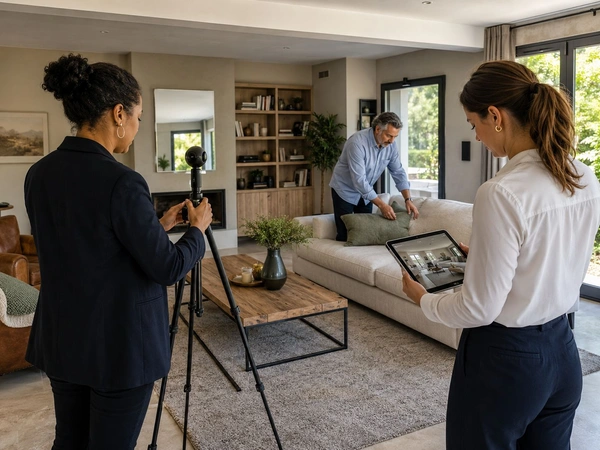
This is precisely where the support of a professional makes a difference. An advisor who knows the local market can spot, even before the first visit is organized, the points that will work in your favor or against you. If you hesitate to go it alone, bear in mind that it is always useful to find a local real estate advisor who can give you an outside, objective view of your property, the very same one a future buyer will have.
The halo effect: when one detail taints the whole visit
The halo effect is a cognitive bias whereby an overall impression, positive or negative, is built from partial information. In practice, a superb garden can make people forget an aging boiler, while a poorly kept entrance can make a generally sound house look like a problem property. This bias is neither rational nor voluntary; it imposes itself on the buyer without them always being aware of it.
The good side of the halo: capitalizing on your strengths
The good news is that this mechanism also works the other way around. If you take care of the first three or four elements the buyer will perceive, you steer everything that follows in a favorable direction. A clear entrance, a light neutral scent, well-showcased natural light: these are simple, inexpensive things, but they have an enormous knock-on effect on the rest of the visit.
The bad side of the halo: a small flaw that takes up all the space
Conversely, a negative detail captures a disproportionate amount of attention. A door handle that doesn't close properly, a smell of stale tobacco, a coat area cluttered with shoes: these are minor points on paper, but in the buyer's mind they become the symbol of a "poorly maintained" property, and this judgment then spreads to every room they visit afterwards.
A word from the expert
"In twenty years in the field, I've seen magnificent houses lose a sale because of a litter box smell in the entrance, and apartments with little charm sell within a few days because the seller had taken the time to open the windows, tidy the hall and let the light in before every viewing; what I keep telling my seller clients is that the viewing doesn't begin when you open the living room door, it begins on the front doorstep, and sometimes even before that, on the pavement in front of the property, so you might as well invest five minutes of tidying and a quick airing rather than rely solely on the intrinsic quality of the property, because a buyer who feels uncomfortable from the moment they step in will almost never change their mind, even if you then show them the most beautiful bedroom in the neighbourhood."
The signals that immediately reassure a buyer
Certain elements play an almost universal role in how positively a property is perceived, whatever the buyer's budget or profile. They are inexpensive to put in place, but they require a little anticipation and discipline before each viewing.
Cleanliness, above all
This is the first thing I advise all my sellers to do: clean floors, spotless windows, light-coloured walls free of marks. Clean, light walls enhance brightness and give an impression of generous space, which starts the viewing on a good note. Conversely, the slightest trace of dust or visible clutter sends an implicit message: "this property is not well maintained", whether or not that is true of the rest of the house.
Brightness and the sense of space
A home bathed in natural light always looks bigger, warmer and more livable. Before a viewing, open all the shutters, switch on the lamps even in the middle of the day if it is a little grey, and clear the window sills that block the light. It is a very simple gesture, but the impact on the perception of space is immediate and measurable in how visitors feel.
The signals that worry buyers, even unintentionally
Other details, often insignificant to the owner who is used to their home, leap out at, or hit the nose of, a buyer seeing the property for the first time.
Smells, a signal that is almost impossible to ignore
Smell is the only sense directly connected to the limbic system, the region of the brain associated with emotions and memory, which explains why a bad smell leaves such a strong impression. Nearly half of buyers say that the smell of a home influences their overall impression of the property, and more than a third admit that a bad smell could lead them to cut the viewing short before even considering an offer. Stale tobacco, damp, litter boxes, recent cooking: these are the most damaging smells, and they quickly settle into the visitor's olfactory memory.
Small repairs left undone
A handle that sticks, a blackened silicone seal in the bathroom, a blown bulb in the corridor: each of these details, taken in isolation, means nothing serious. But added together, they build up in the buyer's mind an image of overall neglect, and the buyer starts to wonder what is not visible, what has been "forgotten" elsewhere in the house. Fixing these small points before putting the property on the market often costs very little, for a considerable gain in trust.
The practical tip
- An hour before each viewing, air the property for at least ten minutes, even in winter, to renew the air and clear cooking or bedding smells.
- Always tidy the entrance: shoes, coats and umbrellas in a cupboard, not scattered around the hall.
- Make a list of the small repairs that have been lingering for months (handle, seal, bulb, dripping tap) and deal with them once and for all before the first viewing.
- Switch on all the lights and open all the shutters, even during the day, to maximise the feeling of brightness.
- Avoid overly strong air fresheners, often seen as a sign that you are trying to mask something; opt for a neutral smell and good ventilation.
The entrance and hall, the real showcase of the property
If only one space deserves particular attention, this is the one. The entrance is the buyer's first physical contact with your home, and it is often there that a good part of the final decision is made, in a matter of seconds.
The front door and its surroundings
Before even stepping inside, the buyer takes in the condition of the door, the doorbell, the doormat and the mailbox. A freshly painted or cleaned door, a handle that works perfectly, a clean doormat: these details may seem trivial, but they send a clear signal of the care and attention given to the property as a whole.
The entrance hall, the first real interior space
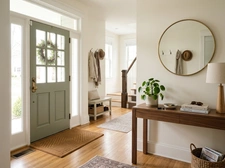
Once through the door, the buyer should immediately feel at ease. A clear hall, without a pile of shoes or mail lying around, with a light source or a mirror that visually enlarges the space, sets a positive atmosphere right away. It is an investment of time, not money, and that is precisely why it is too often overlooked by sellers in a hurry.
What this concretely changes for the price and the time to sell
This advice is not just decorative common sense; it has a measured and documented impact on the sale itself.
Significantly shorter selling times
According to a study by the Avéo network, a home staging specialist, a prepared property sells on average five times faster than a property left as it is: about 19.5 days versus 127 days for a conventional sale. That is an enormous difference, which is explained precisely by this positive first impression that triggers more viewings and quicker decisions.
A reduced negotiating margin
In France, the average negotiation rate on a property is around 11.42%. With a properly prepared property, this rate falls to around 3.24%. In other words, a home that is reassuring from the entrance is negotiated down much less, simply because the buyer does not have that vague impression that "everything will need to be redone", which usually leads to hard bargaining. To invest in this preparation, expect to spend generally between 1 and 3% of the property's price, an amount more than offset by the gain on the final price and the speed of the sale.
How to prepare your property before each viewing
The good news is that most of these adjustments require neither a large budget nor major works, just method and consistency.
A simple routine before each appointment
I always advise my sellers to create a short routine before each viewing: air the rooms, tidy the entrance, check that there is no particular smell, switch on the lights, and take a last look at the exterior on arrival, as if discovering the property for the first time. This outside perspective is often the hardest to have yourself, because you no longer see the small flaws in your own home after living in it for so long.
Getting support for a fresh perspective
This is precisely the role of a professional: to bring this neutral and objective perspective. Before putting your property on the market, it may be wise to have your property valued by an advisor, who can then point out the priority areas for improvement. Once these adjustments have been made, your property will have every advantage to stand out among the many property listings already circulating on the local market.
Conclusion
A buyer does not just visit a home; they go through a sensory and emotional experience that begins at the pavement and crystallises in under two minutes. Cleanliness, light, neutral smells and small repairs done in good time: these are details that, taken together, radically transform the perception of a property, its speed of sale and the final price obtained. The good news is that these adjustments require neither a large budget nor special skills, just a little method and an outside perspective to spot what you no longer see yourself. So before your next viewing, take five minutes to rediscover your property through a buyer's eyes; it could change everything.
FAQ - Frequently asked questions
How long does it really take for a buyer to form an opinion?
Most studies agree on around 90 seconds, a very short window during which the buyer forms an overall first impression of the property, often from the entrance. This initial impression then colours the perception of the rest of the viewing.
Which smells are the most damaging during a viewing?
Odors of stale tobacco smoke, damp, cat litter or recent cooking top the list of smells that bother buyers most. Airing the property well before each viewing remains the simplest and most effective way to neutralize them.
Should I carry out renovation work before selling to reassure buyers?
Not necessarily major work: in most cases, minor repairs (handles, sealant joints, light bulbs) and a thorough general clean are enough to fix the most common negative signals. A preparation budget of 1 to 3% of the property's price is generally sufficient.
Is home staging really worthwhile for a seller?
Yes. Industry figures show markedly shorter selling times and a negotiation margin that falls from around 11% to just over 3% on properly prepared properties. The initial investment is more than offset by these gains in time and price.
How do I know which details to fix first in my home?
The most effective approach is to seek an outside perspective, whether from a friend or relative who is not familiar with the place or, better still, from a real estate agent who visits dozens of properties every month and immediately spots what reassures or worries a buyer.
Author of the publication

Fabrice DOBROWOLSKI, Director of the Optimhome network
«Benefit from myexpert advice, based on many years of experience in real estate, to ensure the success of your buying or selling project. »